

Which Cars Do Leaders Drive in Turkiye?
Türkiye's Leaders and the Vehicles They Prefer
In the political world of Turkiye, over time, the vehicle preferences of many leaders have played an important role not only as symbols of power but also in fulfilling security requirements. These vehicles serve not only as prestige elements but also reflect the leaders' connection to the people, security measures, and sometimes their ideological stance. Let’s take a look at the vehicles used by the prominent figures of Turkish politics from past to present.
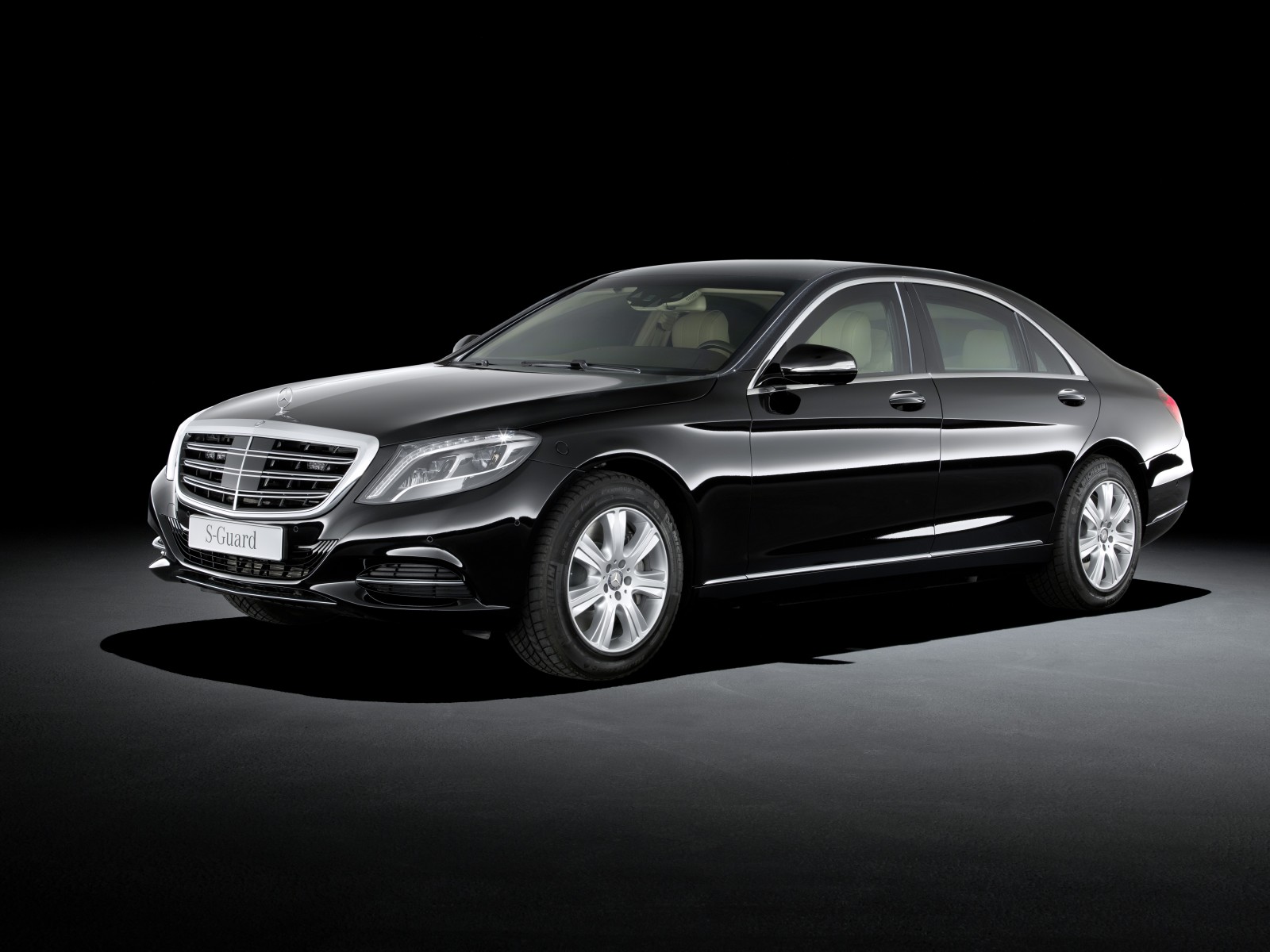
President Recep Tayyip Erdoğan, since taking office, has been highly sensitive to security issues. Accordingly, the Mercedes-Benz S600 Guard stands out with its armored structure. This vehicle, focusing on both luxury and security, symbolizes Erdoğan’s strong position both domestically and internationally.
There is limited concrete information about the vehicle preferences of the leader of the Republican People's Party (CHP), Kemal Kılıçdaroğlu. However, it can be said that he has preferred secure and modest vehicles throughout his political career. Kılıçdaroğlu's approach, which involves being close to the people, is also reflected in his vehicle choices.
%20Ekim/18.10.2023%20-/yeni-bmw-520d-xdrive-on-rezervasyona-acildi.jpg)
Former leader of the Good Party (İYİ Party), Meral Akşener, has used quite modest vehicles in her past roles. The BMW 5 Series stands out as one of her main vehicle choices. This preference symbolizes Akşener’s modest yet strong stance.

The leader of the Nationalist Movement Party (MHP), Devlet Bahçeli, has preferred the Mercedes-Benz S-Class model. This vehicle has been a significant choice in terms of both security and prestige, symbolizing Bahçeli as one of the strong figures in Turkish politics.
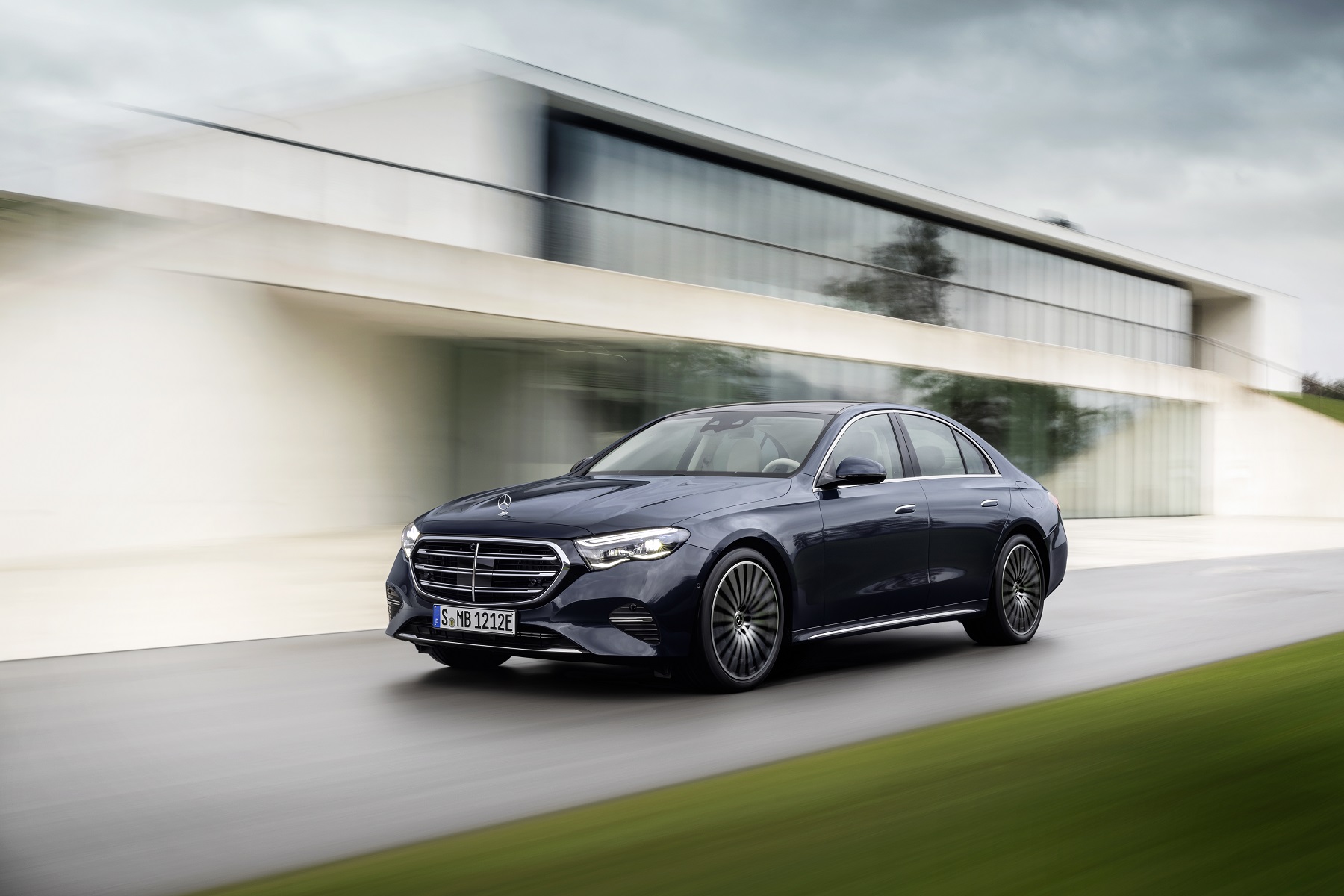
Fatih Erbakan, the leader of the Re-Welfare Party, has preferred the Mercedes-Benz E-Series. This vehicle provides a modest yet prestigious appearance while focusing on security.
Erkan Baş, leader of the Workers' Party of Turkiye (TİP), does not have specific information available regarding his vehicle preferences, but he is likely to prefer a modest vehicle. His party's ideology suggests that he would take a stance that avoids extravagance.
Muharrem İnce, former presidential candidate of CHP, has not shared much information about his vehicles. However, considering his approach of being close to the people, he may have chosen more modest vehicles that help him integrate with the people.
Ümit Özdağ, leader of the Victory Party, does not have concrete information about his vehicle preferences, but it is assumed that he prefers vehicles with high security measures and prestige. The sale of Özdağ's Volkswagen Passat may reflect his pursuit of savings or a more modest lifestyle, which may also symbolize his intention to be closer to his electorate.
Vehicles Preferred by Former Turkish Leaders
Former President Süleyman Demirel used the Mercedes-Benz 600 Pullman. This vehicle, known for its luxury and security, reinforced Demirel's image as a prestigious president.
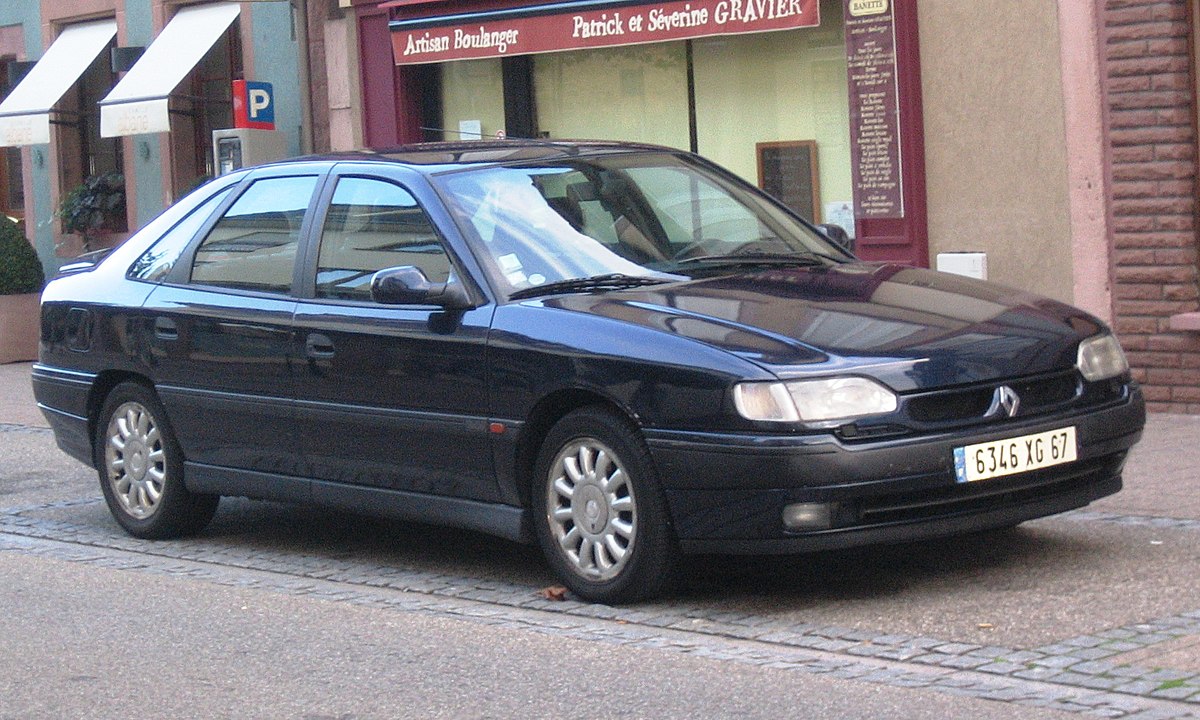
Bülent Ecevit, during his prime ministership, preferred the Renault Safrane and favored domestic vehicles. This was a sign of his emphasis on economic development and domestic production.
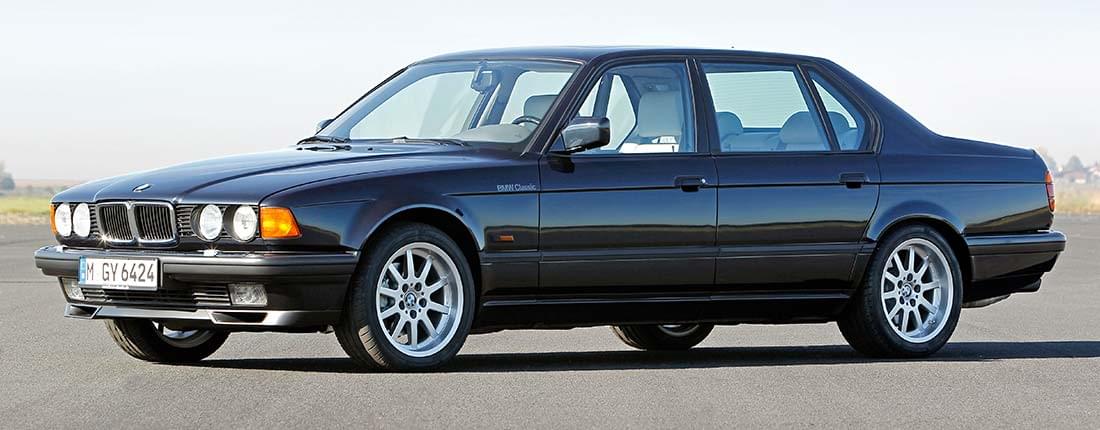
Turgut Özal, during both his prime ministership and presidency, preferred the BMW 750 iL. This vehicle, a symbol of luxury, prestige, and modernity, reflected Özal’s global vision and innovative approach.
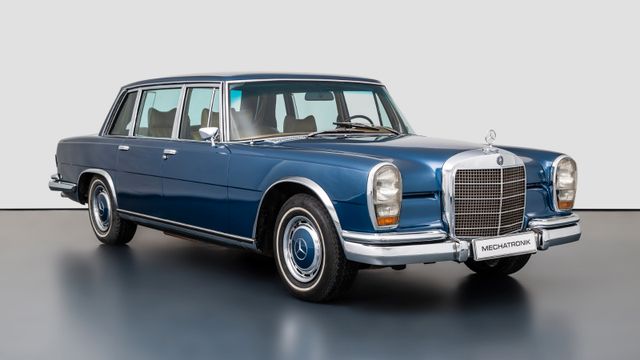
Former President Kenan Evren used the Mercedes-Benz 600. This vehicle, known for its high security, increased Evren's prestige as a strong leadership figure in the eyes of the people.

Necmettin Erbakan, leader of the Welfare Party and former prime minister, also preferred luxurious vehicles like the Mercedes-Benz 600. These choices, emphasizing security and prestige, aligned with Erbakan's political and social stance.
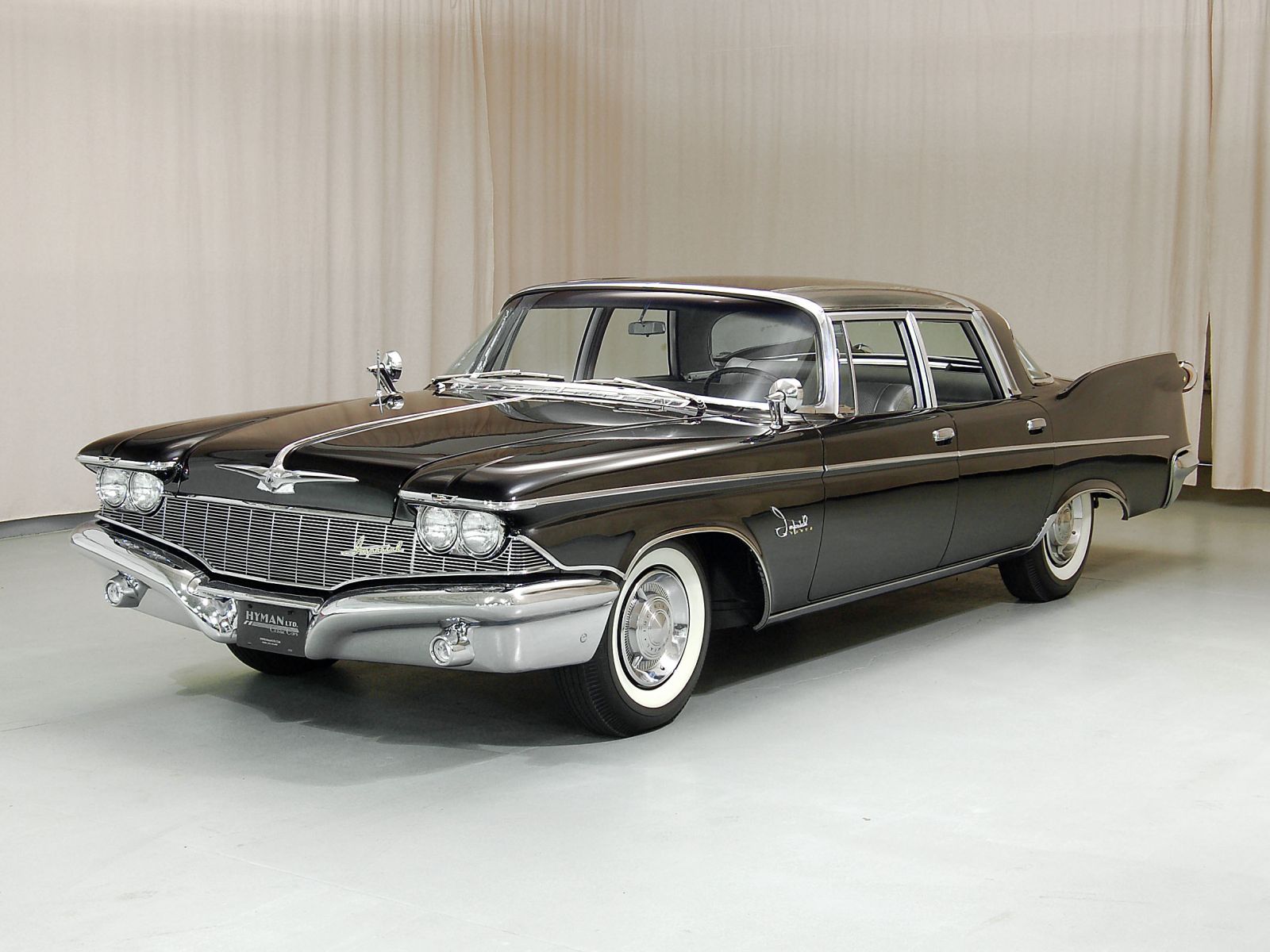
Adnan Menderes, during his term, preferred luxury and secure vehicles such as the Chrysler Imperial. This vehicle symbolized the wealth of the time and Menderes' public image.
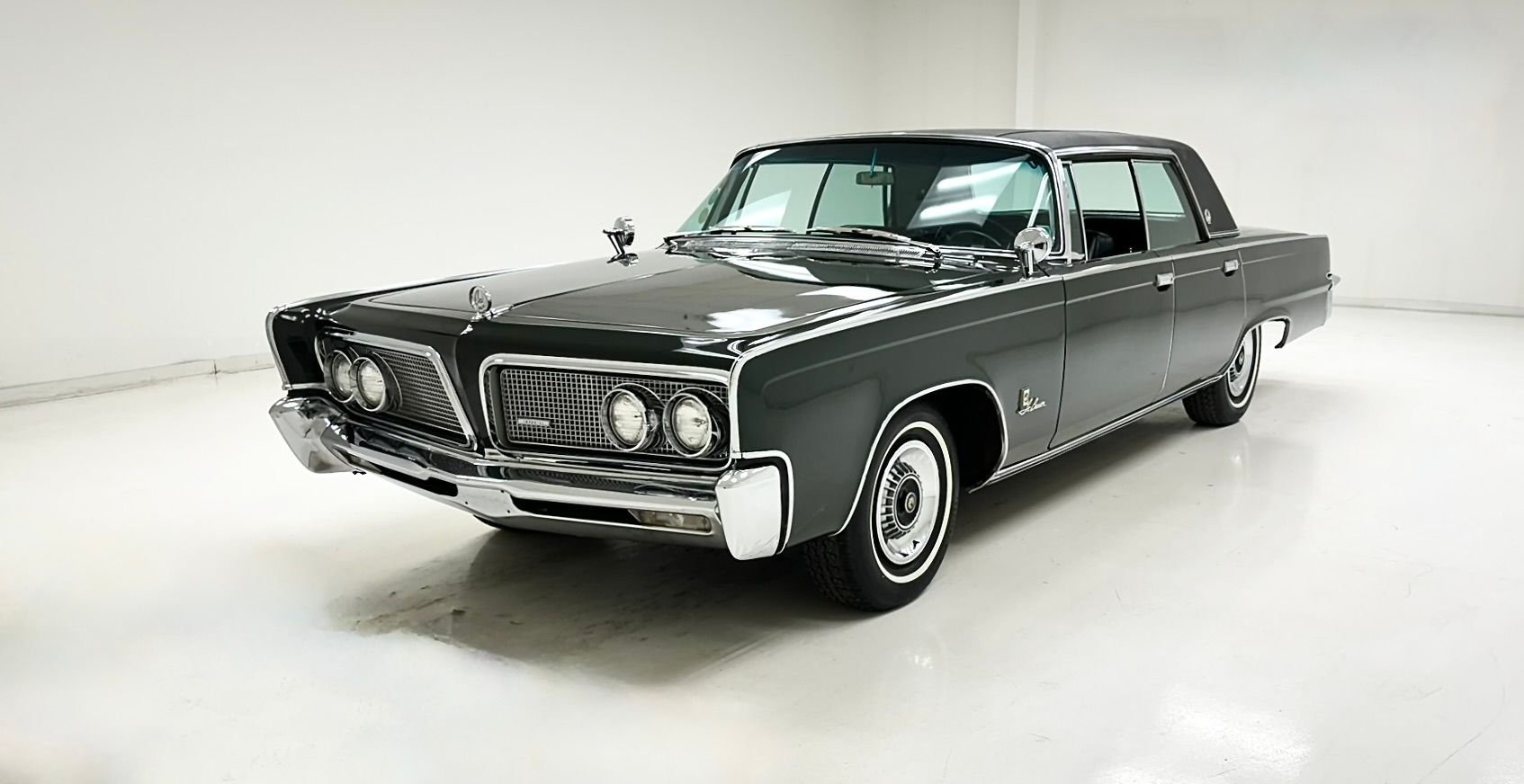
Celal Bayar, during his presidency, also preferred the Chrysler Imperial model, making a similar choice to Menderes in terms of luxury and security.
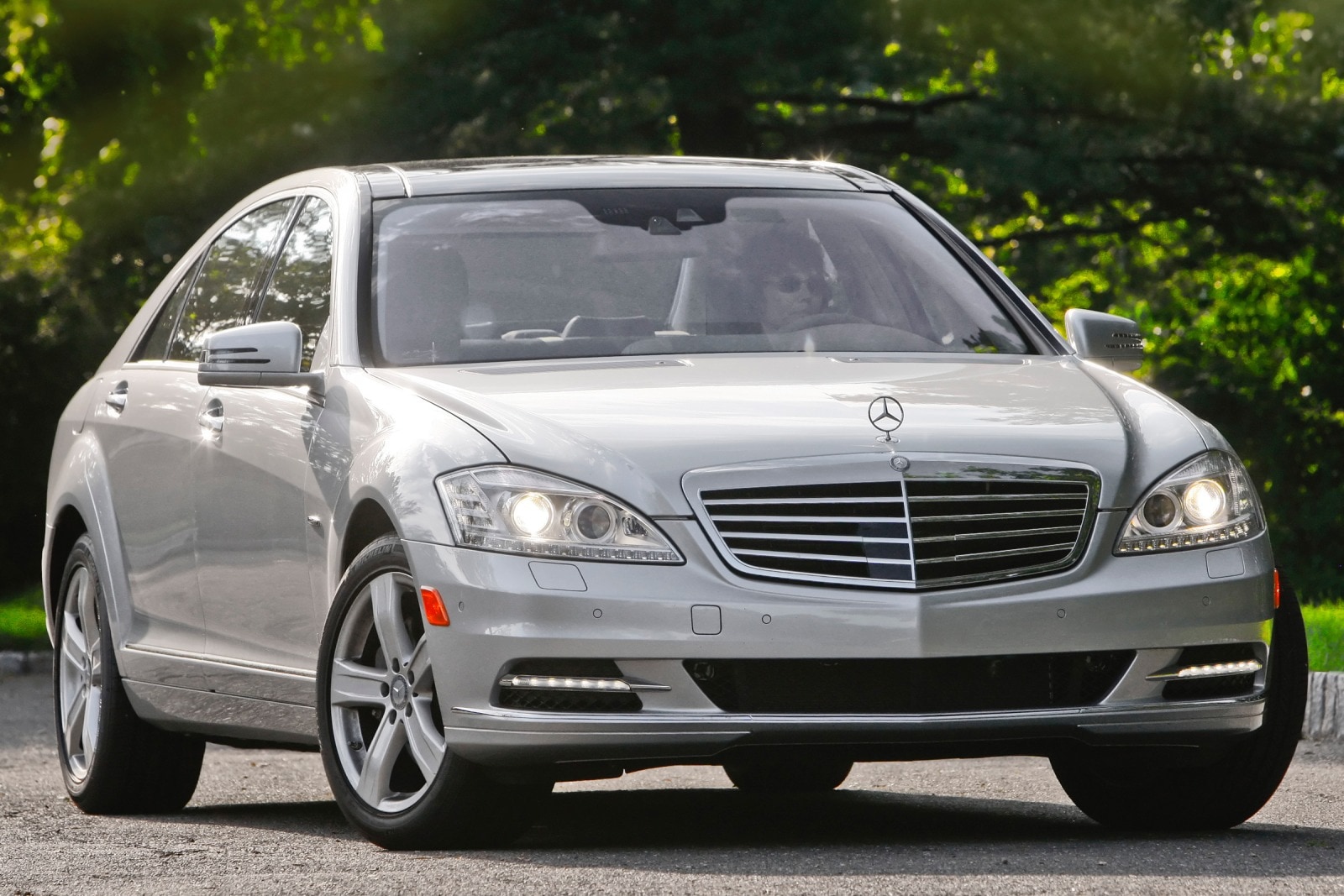
Ahmet Necdet Sezer used the Mercedes-Benz S-Class during his presidency. This vehicle, with high security measures, was a highly appropriate choice for a leader at the helm of the state.

Deniz Baykal, as the leader of CHP, used the Mercedes-Benz S-Class. This choice, in terms of both security and prestige, reflected his political career.
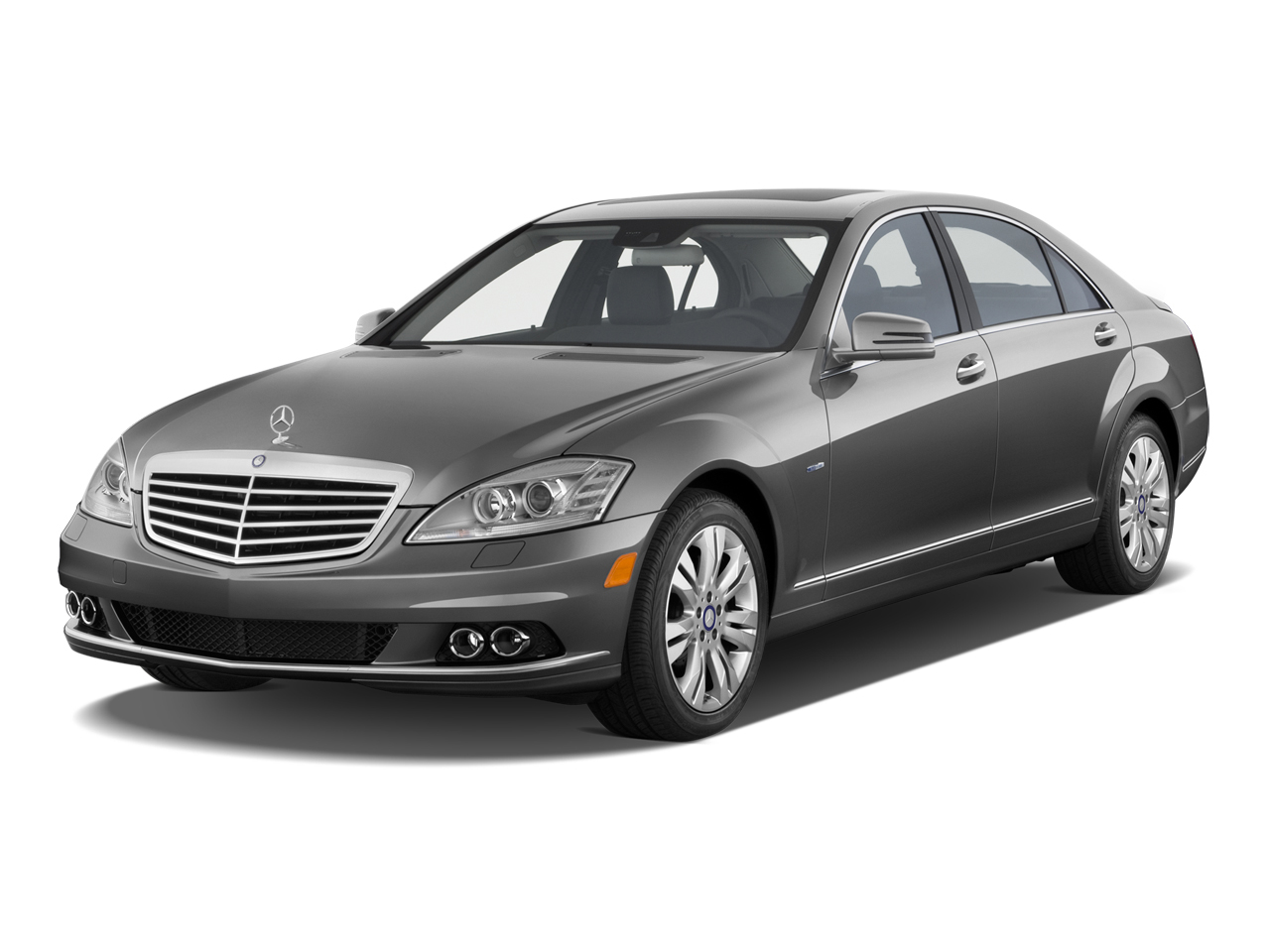
Abdullah Gül, during his presidency, used the Mercedes-Benz S-Class. This vehicle, both prestigious and secure, reflected Gül’s political career.
The Legendary Turkish Leader: Mustafa Kemal Atatürk

Mustafa Kemal Atatürk, the founder of the Republic of Turkiye, has also gone down in history with the vehicles he used. Atatürk’s most well-known vehicle is the Chrysler Sedan model. Atatürk always prioritized modernization and being close to the people, and this vehicle met the era's security and prestige requirements.
Additionally, Mercedes-Benz vehicles were among Atatürk’s preferences, with these vehicles being significant choices in terms of both elegance and security. Atatürk’s vehicles not only strengthened his strong bond with the people but also symbolized the prestige of a leader.
Conclusion: Leaders' Vehicle Choices and Social Image
The vehicle choices of Turkiye's past leaders have not only been about security but also carried social messages. At times, these vehicles have been perceived as symbols of "showiness" and "luxury," while at other times they have symbolized security requirements. However, each leader’s preference is an important detail that reflects their relationship with the people and their social and political stance.
Leaders' vehicle choices aim to create a powerful figure in the eyes of the public, while also playing a significant role in terms of security measures and prestige. In the future, leaders may choose simpler vehicles to establish closer relationships with the people and convey their social messages through these symbols, which could play an important role in shaping the country’s political perception.
Published: Tuesday, April 30, 2024 16:04
